
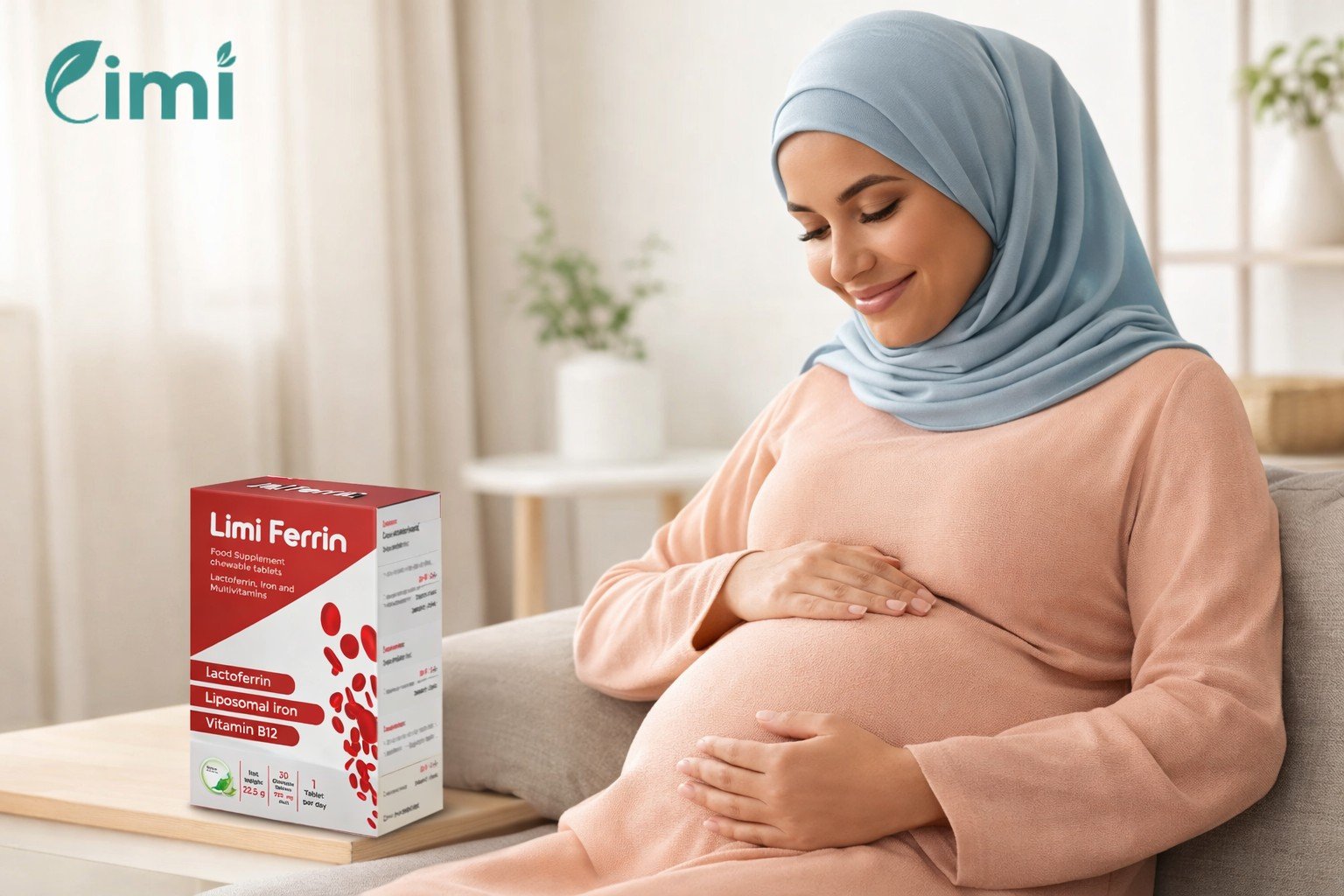
Are you starting to feel that pregnancy is more exhausting than it should be? Dizziness, shortness of breath from minimal effort, and lethargy all day… and everyone around you probably says: “It’s normal, you’re pregnant”. However, in many cases, the underlying reason is anemia, and that’s when pregnancy anemia treatment becomes essential for protecting both you and your baby, provided the treatment is safe, gentle on the stomach, and suitable for each stage of pregnancy. What is Anemia During Pregnancy? And Why Does it Occur? During pregnancy, your body works in “double mode”: Blood volume increases to nourish you and the fetus. Your need for iron and folic acid increases significantly. If iron and folic acid aren’t sufficiently available from food or supplements: Healthy red blood cells decrease. Oxygen transport to all body tissues decreases. Anemia symptoms start to appear… and this is where pregnancy anemia treatment comes in at the right time. Common Anemia Symptoms That Require Attention Not all pregnancy fatigue means anemia, but having multiple of these symptoms together warrants a simple check: Severe fatigue even with minimal effort. Frequent dizziness, especially when standing up suddenly. Heart palpitations or rapid heartbeat. Paleness in the face or lips. Frequent headaches and shortness of breath when climbing stairs. If you feel that “you don’t look like before” and your energy has almost disappeared, then simple blood tests (hemoglobin and iron) are the start of proper diagnosis. Top 5 Effective Ways for Pregnancy Anemia Treatment These five methods aren’t alternatives to your doctor, but they help you understand the available options: 1. Adjusting Your Diet to Naturally Support Iron and Folic Acid Diet alone may not be enough in moderate or severe anemia cases, but it remains fundamental in any pregnancy anemia treatment: Animal iron sources (better absorbed): Liver (in moderation and as per doctor’s advice). Red meat. Chicken and fish. Plant iron sources: Spinach, arugula, parsley. Lentils, beans, chickpeas. Whole grains (like oats). Foods that help iron absorption: Lemon. Orange. Colored peppers. Any sources rich in vitamin C. Important note: Try to avoid tea, coffee, and carbonated drinks for 1-2 hours after eating, as they reduce iron absorption. 2. Folic Acid in Early Months – Prevention Basics In the first trimester (months 1-3): Folic acid is the star of this stage. It helps in: Blood formation. Developing the fetus’s nervous system. Doctors usually prescribe it regularly for any woman planning pregnancy or in its early stages. Having folic acid as part of the daily routine in the early months reduces the risk of anemia and helps your body enter later pregnancy stages in a stronger state. 3. Treating Pregnancy Anemia with Traditional Iron… and its Stomach Issues In the second and third trimesters, many pregnant women start using traditional iron tablets, which are effective in raising hemoglobin, but sometimes cause: Severe constipation. Cramps or spasms. Nausea or stomach heaviness. If you’re someone with a sensitive stomach, or if you’ve tried regular iron tablets and they bothered you, it’s wise to ask your doctor about gentler alternatives like: Lactoferrin. Or liposomal iron. Instead of accepting that “all types of iron upset the stomach”. Read also: Pregnancy and Mother’s Needs | Important Supplements like Lemi Cal D and Lemi Ferrin 4. Lactoferrin and Liposomal Iron – Gentler Iron for Pregnant Women Here, we address a point that concerns many pregnant women: “Is there an iron type that doesn’t cause constipation and stomach pain?” Yes, among modern solutions for pregnancy anemia treatment: 🔹 Lactoferrin A natural protein found in breast milk and some foods. Helps the body with: Better iron absorption. Regulating its use within the body. It’s characterized by: Being gentler on the stomach. This causes less constipation or nausea for many women. 🔹 Liposomal Iron A modern form of iron, coated with “liposome” technology to improve absorption. Usually: Reaches the intestines safely. Causes fewer side effects than traditional iron for many people. 🔹 Practical Example: A Supplement Combining Lactoferrin and Liposomal Iron Here comes the role of supplements like: Lemi Ferrin: Typically contains: Lactoferrin. Liposomal iron. Vitamin C for better absorption. Vitamin B12 or others for blood and immunity support. The idea behind it: Treating pregnancy anemia in a gentler way on the stomach, while supporting immunity and reducing anemia symptoms like fatigue and hair loss, as deemed appropriate by your doctor for your case. Of course, the type, dosage, and duration are determined by your doctor after reviewing test results. 5. Regular Monitoring According to Each Trimester Treating Anemia During Pregnancy isn’t just taking a pill, and that’s it. It’s monitoring throughout the months: In the first trimester: Focus on folic acid. Check for hemoglobin if there are symptoms or a previous history of anemia. In the second trimester: A doctor usually starts regular hemoglobin monitoring. If a deficiency appears, an appropriate supplement is prescribed: Traditional iron. Or supplements containing lactoferrin and liposomal iron like Lemi Ferrin. In the third trimester: Increased focus on iron levels in preparation for delivery. Iron or lactoferrin doses are adjusted according to your actual needs. Regular monitoring with your doctor makes pregnancy anemia treatment safe and effective simultaneously, without overdose or neglect. Quick Comparison Between Common Iron Types for Pregnant Women Instead of a table, here’s a simplified comparison to help you discuss with your doctor: Traditional Iron: Works to raise hemoglobin at a relatively slow rate. But it may cause constipation, nausea, and stomach heaviness for many pregnant women. Lactoferrin: Helps the body utilize iron. Gentler on the stomach and closer to the body’s nature. Suitable for those who can’t tolerate regular iron (as per the doctor’s decision). Liposomal Iron: Good absorption. No digestive side effects for many people. Therefore, lactoferrin with liposomal iron is chosen because it’s more effective, safer, and has without side effects. Role of Daily Nutrition in Treating Pregnancy Anemia Even with supplements, daily food remains the first line of defense: Focus on: Well-cooked red meat. Liver (as per doctor’s instructions). Dark leafy vegetables. Lentils and legumes. Vitamin C-rich fruits
7 Reasons for Delayed Conception in Men and Women and Treatment Methods for Fertility Delays
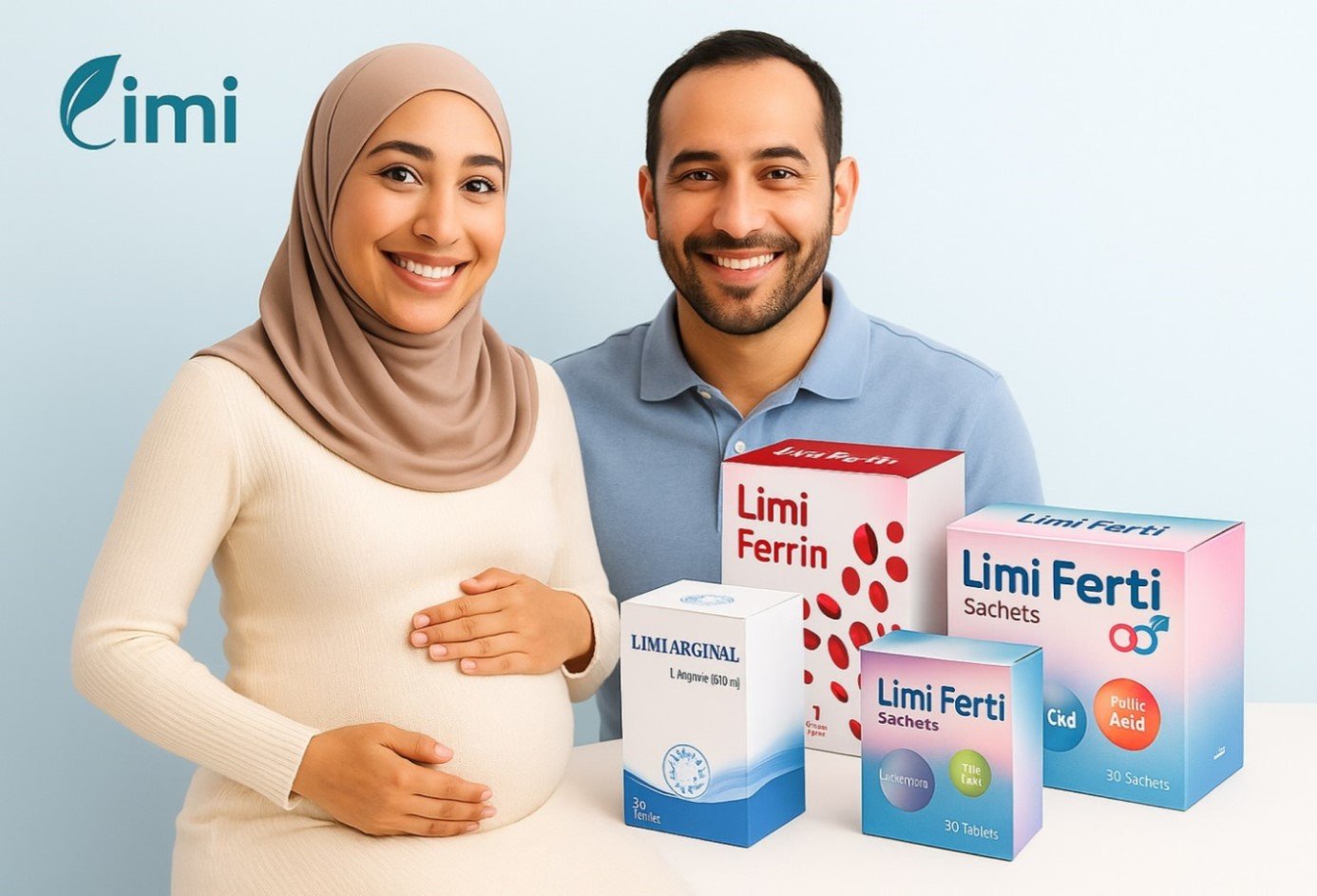
Has time passed since marriage, and pregnancy tests are still negative? You might be wondering: Is it me or my husband? Is this a difficult problem, or can it be solved? The truth is that delayed conception is more common than you might think. In most cases, it can be addressed with simple, well-planned steps once the real cause is identified, rather than living in a cycle of anxiety and self-blame or blaming the other partner. What is delayed conception? When should we really worry? Doctors define delayed conception typically as: No pregnancy after one full year of regular marital relations without using any contraception, if the wife is under 35 years old. Or after 6 months of trying, if the wife is over 35 years old. This means if you’re still in your first 6-8 months of marriage, it’s usually too early for excessive worry, but if the period extends beyond these limits, it’s better to visit a specialist gynecologist or fertility doctor for a simple and calm evaluation. Is it the husband or the wife? It’s very important to understand that delayed conception: In many cases, the cause is from the wife (such as ovulation disorders or problems with the uterus or tubes). And in other cases, it’s from the husband (such as low sperm count or motility). And in a significant number of cases, the cause is shared or not entirely clear. Therefore, any proper fertility treatment plan must start from the principle: “We’re one team… not opponents, and both need to get tested.” 7 Common Causes of Delayed Conception in Men and Women The term “delayed conception” has many causes, but we can summarize them in 7 main areas: Weak or abnormal sperm in men The cause might be: Lower than normal sperm count. Or poor sperm motility. Or a high percentage of abnormal sperm morphology. This can happen due to: Smoking. Obesity. Sitting for long periods with exposure to heat (like having a laptop on your lap all day). Poor nutrition or deficiency in elements like zinc and vitamins. Read also: Lemi Ferti for Fertility | Natural Support for Ovarian Health and Egg Quality Improvement 2. Ovulation disorders in women If ovulation is irregular or doesn’t occur monthly, pregnancy chances decrease significantly. Causes of ovulation disorders include: Polycystic ovary syndrome. Severe weight gain or loss. Thyroid hormone disorders. Strong stress or continuous exhaustion. 3. Fallopian tube blockage or uterine problems If both fallopian tubes are blocked or one of them: The egg cannot meet the sperm. And the embryo cannot easily reach the uterus. Also, some uterine problems (like polyps, fibroids in certain locations, and adhesions) may affect embryo implantation. 4. Poor egg quality or age-related effects With advancing age, especially after mid-thirties: The number of eggs decreases. And their quality decreases in many women as well. Also affected by: Genetic factors. Vitamin deficiencies. And some chronic diseases. On egg quality. 5. Psychological factors and chronic stress Continuous stress, fear of failure, pressure from family or society… all of these: Raise stress hormones. Affect fertility hormones. And may even affect the marital relationship itself and its quality. Psychological comfort isn’t a luxury, but part of fertility treatment. 6. Being overweight or severely underweight Weight outside the healthy range, whether: Significant weight gain. Or severe weight loss. Can cause: Ovulation disorders in women. And negative effects on male hormones and semen quality. 7. Other causes (genetic, immune, or unexplained) Such as: Some genetic causes. Certain immune disorders. Effects of some medications. Or cases doctors call “unexplained infertility” where all tests appear normal yet pregnancy doesn’t occur quickly. How to start fertility treatment correctly? Instead of constant worry or trying random remedies, it’s better to follow simple, studied steps: Comprehensive testing for both partners This includes – as determined by the doctor: For the husband: Semen analysis For the wife: Ultrasound of the uterus and ovaries. Hormone tests. Sometimes HSG or additional tests if needed. This step gives you a clear picture of the situation, instead of guessing. For more information, see: Top 5 Effective Ways to Treat Anemia in Pregnant Women During Different Months 2. Lifestyle changes for fertility Among the strongest methods for treating infertility: Complete smoking cessation. Reducing stimulants and carbonated drinks. Regular physical activity (walking, light exercise). Regulating sleep as much as possible. Choosing healthy food that helps control weight and blood sugar. 3. Using fertility supplements (after consulting a doctor) Nutritional supplements aren’t a magic cure, but they: “Support” the body and provide it with needed elements to function optimally. Examples of supplements that the doctor may recommend based on individual cases: Lemi Ferti: A supplement in powder sachet form. Designed to support fertility in both partners. Helps support ovulation and egg quality in women. And supports energy and sperm motility in men. Suitable as part of a plan to gradually increase pregnancy chances. Lemi Ferrin: Contains lactoferrin with iron and vitamins. It may help in cases of iron deficiency or anemia in women, which can affect general health and body preparation for pregnancy. Lemi Arginal: Contains arginine and other ingredients that support blood circulation. This helps improve blood flow to reproductive organs in both men and women, as a supporting factor alongside other steps. Proper use is always under medical supervision, to determine: Who needs what? What are the appropriate doses? And how long to use them? 4. Medical or surgical treatments, when needed After examination, the doctor may suggest: Medications to stimulate ovulation. Treatment of infections if present. Simple laparoscopy to treat uterine or tubal issues. Or resort to assisted reproductive techniques such as: Intrauterine insemination (IUI). Or IVF/ICSI. Depending on the case, age, and duration of infertility. 5. Psychological and emotional support between partners The journey of fertility treatment needs: Patience. Calmness. And real cooperation between partners. Mutual psychological support, avoiding blame, and seeking joint solutions instead of pointing fingers, all make a big difference in your ability to continue on the path until you reach the