

Do You Suffer from Persistent Fatigue or Unexplained Bone Pain? It may be linked to the effects of Vitamin D deficiency in your body—a vitamin that plays a far more critical role in your daily health than you might imagine.
What Is Vitamin D? And Why Is It Essential for the Body?
Vitamin D is a fat-soluble vitamin that functions like a hormone within the body. It plays a central role in regulating calcium and phosphorus levels, helping to strengthen bones and joints while supporting the immune system.
What Makes Vitamin D So Important?
- It is naturally produced when the skin is exposed to sunlight, one of its primary sources.
- It is available as a dietary supplement to support overall health and internal balance.
- It enhances calcium absorption and increases bone density.
- It plays a key role in hormonal balance and metabolism.
Understanding the effects of Vitamin D deficiency is not just general health knowledge—it is a crucial step in preventing issues such as osteoporosis and weakened immunity.
What Is the Difference Between Vitamin D2 and D3?
There are two main types of Vitamin D:
Vitamin D2 (Ergocalciferol)
- Plant-based source
- Found in some fortified foods
- Less effective at raising blood Vitamin D levels
Vitamin D3 (Cholecalciferol)
- Produced in the skin through sun exposure
- Found in animal-based sources
- Considered the preferred option in most supplements
- More effective in improving blood Vitamin D levels
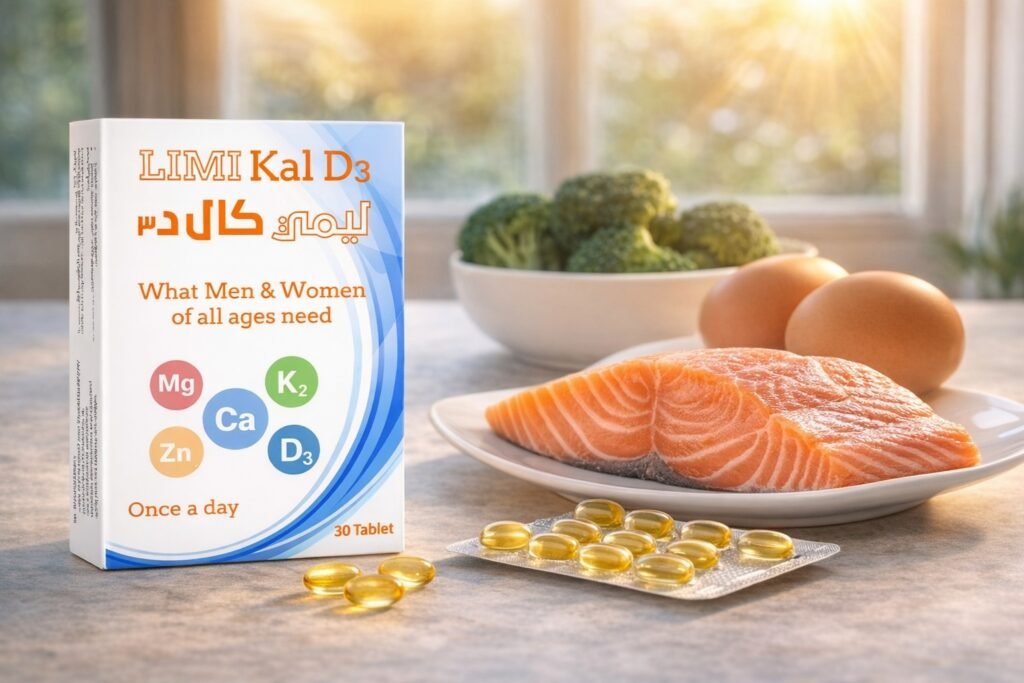
For this reason, Vitamin D3 is generally recommended when choosing a supplement, as it delivers faster and more stable results. Limi Cal D3 has been specifically formulated to provide a highly absorbable D3 form, ensuring efficient and safe elevation of Vitamin D levels in the body.
Effects of Vitamin D Deficiency on the Body: Key Health Benefits
How Does Vitamin D Deficiency Affect Bones and Teeth?
- Promotes efficient calcium absorption
- Maintains bone density and reduces osteoporosis risk
- Supports healthy tooth development
- Helps prevent bone and joint pain
Vitamin D is often considered the cornerstone of bone health, especially for older adults and women.
Read Also: Benefits of Limi Cal D3 – Comprehensive Support for Bone, Dental, and Muscle Health
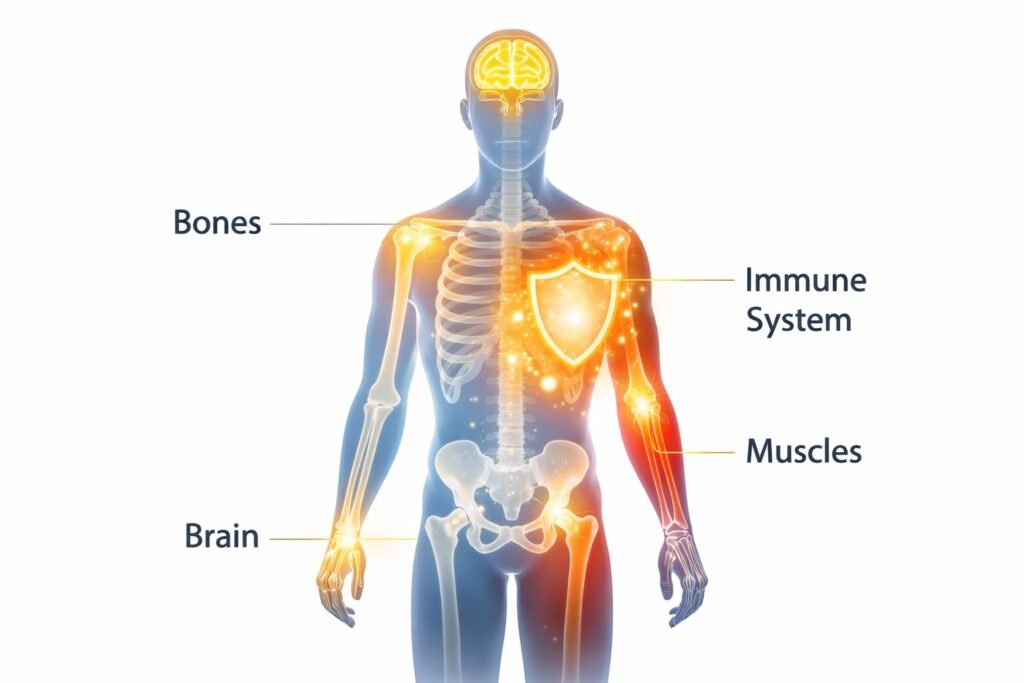
How Does Vitamin D Deficiency Affect the Immune System?
- Enhances immune system efficiency
- Reduces the risk of infections and inflammation
- Supports the body’s natural immune response
- Helps prevent weakened immunity
The relationship between Vitamin D and immunity has become a major focus of modern research, particularly in prevention and public health.
Why Does Vitamin D Deficiency Affect Energy and Mood?
- Helps reduce chronic fatigue
- Improves energy levels
- Supports mental well-being and reduces symptoms of depression
- Contributes to neurological and hormonal balance
Vitamin D is strongly linked to energy levels and is often considered supportive in cases of depression and mood improvement.
The Impact of Vitamin D on Muscles and Physical Performance
- Enhances muscle strength
- Reduces muscle pain
- Improves physical performance and mobility
- Lowers the risk of falls in older adults
Symptoms of Vitamin D Deficiency to Watch For
Common Symptoms
- Persistent fatigue and exhaustion
- Muscle weakness
- Bone and joint pain
- Reduced immunity
- Hair loss (often associated with Vitamin D levels)
Advanced Symptoms (Severe Deficiency)
- Osteoporosis or bone softening
- Chronic body pain
- Mood swings and depression
- Severe low energy
- Delayed wound healing
Diagnosis is confirmed through a Vitamin D blood test, especially when symptoms appear frequently or a severe deficiency is suspected.
You can get more: Lemi Ferin for treating anemia: Chewable tablets supporting blood, immunity, and energy

Recommended Vitamin D Dosage by Age and Condition
Daily Dosage
The appropriate daily dose depends on several factors:
- Age
- Gender (requirements may differ between men and women)
- Sun exposure
- Overall health condition
General guidelines:
- Adults: 600–2000 IU daily
- Older adults: May require higher doses under medical supervision
Based on Deficiency Level
- Mild deficiency: Temporary therapeutic doses may be prescribed
- Severe deficiency: Weekly or monthly high doses may be required
- After treatment,: A maintenance dose is used to sustain healthy levels
Excessive intake should be avoided, as high Vitamin D levels can lead to complications related to elevated blood calcium.
Best Practices for Taking Vitamin D Supplements Effectively
Timing
- Best taken in the morning or with a main meal
- Consistency is key to maintaining stable levels
With Food
- Should be taken with meals containing healthy fats
- This significantly improves absorption
With Other Nutrients
For optimal results, combine with:
- Calcium (for bone and dental health)
- Magnesium (for metabolism and muscle function)
- Vitamin K2 (to help direct calcium to bones effectively)
This synergy enhances supplement effectiveness and supports a balanced, healthy lifestyle.
When Do Vitamin D Results Appear?
Timeline
- Initial results: Within 2–4 weeks
- Noticeable energy improvement: 4–8 weeks
- Stable blood levels: Typically within 8–12 weeks
Factors That Influence Results
- Severity of deficiency
- Adherence to the recommended dosage
- Type of supplement (Vitamin D3 is preferred)
- Daily diet
- Sun exposure
Improvement speed varies from person to person. Monitoring through blood tests helps assess progress accurately.
Who Needs Vitamin D the Most?
Older Adults
- Reduced absorption
- Higher risk of osteoporosis and muscle weakness
Women
- Especially during pregnancy or post-menopause
- For bone health and hormonal balance
Office Workers
- Limited sun exposure
- Increased risk of deficiency and chronic fatigue
Gulf Region Residents
- Despite abundant sunlight, indoor lifestyles limit exposure
- Regular sunscreen use reduces skin production of Vitamin D
- High temperatures encourage staying indoors
Therefore, Vitamin D supplementation can be a practical solution for maintaining overall health—especially for supporting bones, immunity, and energy within a balanced lifestyle.
Why Experts Recommend “Limi Cal D3” for Your Health
If you are looking for an effective solution to overcome deficiency symptoms and restore your vitality, Limi Cal D3 is an ideal choice thanks to its advanced formulation:
- Maximum Absorption: Carefully optimized concentration for daily needs
- Comprehensive Support: Not only for bones, but also for immunity and energy—especially suited for Gulf environments
- Global Quality: Manufactured to the highest standards for purity and effectiveness
Frequently Asked Questions
What are the overall effects of Vitamin D on the body?
It supports bone health, strengthens immunity, and improves energy and mood.
Does Vitamin D deficiency cause fatigue?
Yes, persistent fatigue and low energy are among its most common symptoms.
How long does it take to treat Vitamin D deficiency?
Typically 4–12 weeks, depending on severity and treatment adherence.
Can Vitamin D be taken daily?
Yes, within the appropriate dosage and under medical supervision when necessary.
What is the best time to take Vitamin D?
With a meal containing fats to improve absorption.
Does Vitamin D help improve mood?
Yes, it may help reduce symptoms of depression and enhance mental well-being in some cases.
Final Thoughts
Understanding the effects of Vitamin D deficiency is a fundamental step toward maintaining your health and daily vitality. If you are considering improving your levels, choosing the right supplement can be a smart starting point on your wellness journey.
Don’t let Vitamin D deficiency drain your energy. Restore your vitality today with Limi Cal D3—your trusted solution for stronger bones and a healthier immune system.